


Your business software might still work, but is it helping your business move forward? Perhaps your team spends hours transferring...



Every growing business in Nepal reaches the same quiet turning point. The way they’ve always managed their people with a register for attendance, a phone call or a slip of paper for leave, a folder of employee documents, and payroll worked out by hand each month. What was simple with ten employees becomes a daily headache with fifty. Records don’t match, leave balances get disputed, payroll takes days and still has errors, and the person running HR spends more time on paperwork than on people.
At that point, more and more Nepali businesses are making the same move: from manual processes to an HRM system. Not because it’s fashionable, but because they’ve simply outgrown doing it by hand. This is about that shift – why it happens, what it solves, and how to know when it’s your business’s turn.
An HRM (Human Resource Management) system is a single platform that manages the entire people side of a business, handling onboarding, employee records, attendance, leave, holidays, and payroll, in one connected place. Instead of separate registers, spreadsheets, and folders that don’t coordinate with each other, everything lives in one system where the data flows automatically from one part to the next.
That connection is the whole point. When attendance, leave, and holidays all feed into payroll automatically, and every employee’s record is available across the system the moment it’s created, the endless manual admin of HR mostly takes care of itself. An HRM system doesn’t replace the human judgement of managing people, it removes the paperwork that gets in the way of it.
The move toward HRM software in Nepal isn’t really about technology but about growth. A handful of factors push a business to the point where manual HR simply stops working.
The admin grows faster than the team: When you add employees, you add more than people. You add attendance to track, leave to manage, records to maintain, and payroll to calculate. The workload multiplies, and a process that was fine for a small team quietly becomes a full-time burden.
Mistakes become costly: A miscalculated salary, a lost leave request, or a disputed attendance record isn’t just an inconvenience, it damages trust with employees and takes real time to untangle. As a business grows, these errors become more frequent and more expensive, precisely because there’s more to keep track of.
Businesses want to be more organized and professional: Growing companies increasingly want accurate records, clear processes, and the ability to see what’s happening with their team at a glance – for their own planning, and to operate professionally. Manual systems can’t offer that kind of clarity.
The tools have caught up: HRM systems are more accessible and more suited to local businesses than they used to be, including systems built with Nepali businesses in mind – ones that understand local holiday calendars, local payroll needs, and how businesses here actually work, rather than forcing you to adapt to assumptions built for somewhere else.
Put together, these factors mean the question for a growing Nepali business is less “should we ever move to HRM software” and more “how much longer can we afford not to.”
What Businesses Gain by Making the Switch
The businesses that move to an HRM system tend to notice the same benefits.
Time back: The hours once spent tallying attendance, chasing leave approvals, and manually calculating payroll are largely reclaimed. The system handles the repetitive work, freeing the team to focus on actual work.
Accuracy and fewer disputes: With attendance, leave, and holidays tracked automatically and feeding directly into payroll, the errors and disagreements that plague manual HR largely disappear. Everyone works from the same accurate, up-to-date information.
Clarity and control: Instead of chasing employee for information, a business owner can see attendance, leave, and payroll at a glance. That visibility makes planning easier and decisions better-informed.
A smoother experience for employees: Clear leave processes, accurate pay, and organised records don’t just help the business. They also build trust with employees, who can see their requests handled properly and their pay calculated correctly.
Room to grow: Perhaps most importantly, an HRM system scales. Adding more employees doesn’t mean more manual work. The system grows with the business, so HR never becomes the bottleneck that holds growth back.
Not every business needs an HRM system from day one – a small team can manage well enough by hand. The move makes sense once you’ve genuinely outgrown manual processes. The clearest signs:
Attendance and leave are spread across multiple registers or spreadsheets that don’t quite match. Payroll takes days and still produces errors. Employees dispute their leave balances or attendance records. Onboarding a new hire is a scramble every time. And the person handling HR spends more time on paperwork than on the people it’s meant to support.
If more than one of these sounds familiar, it’s usually the sign that the cost of doing HR manually has quietly grown larger than the cost of a system that does it for you. That’s the turning point and it’s exactly when most growing Nepali businesses decide to make the switch.
The move from manual HR to an HRM system isn’t about chasing technology but about a business growing past what registers and spreadsheets can handle. For a company at that stage, an HRM system brings back time, removes costly errors, and gives the clarity needed to keep growing without HR becoming a burden. It’s one of the most practical investments a growing business can make.
At Imagio Creations, this is an area we care about deeply, so much so, that we’re building an HRM system designed specifically for how Nepali businesses work, bringing onboarding, records, attendance, leave, holidays, and payroll together in one place. It’s launching soon. If you’d like to know more, or simply talk through what your business needs from an HRM system, get in touch — or message us on WhatsApp, whichever’s easier.

Your business software might still work, but is it helping your business move forward? Perhaps your team spends hours transferring...
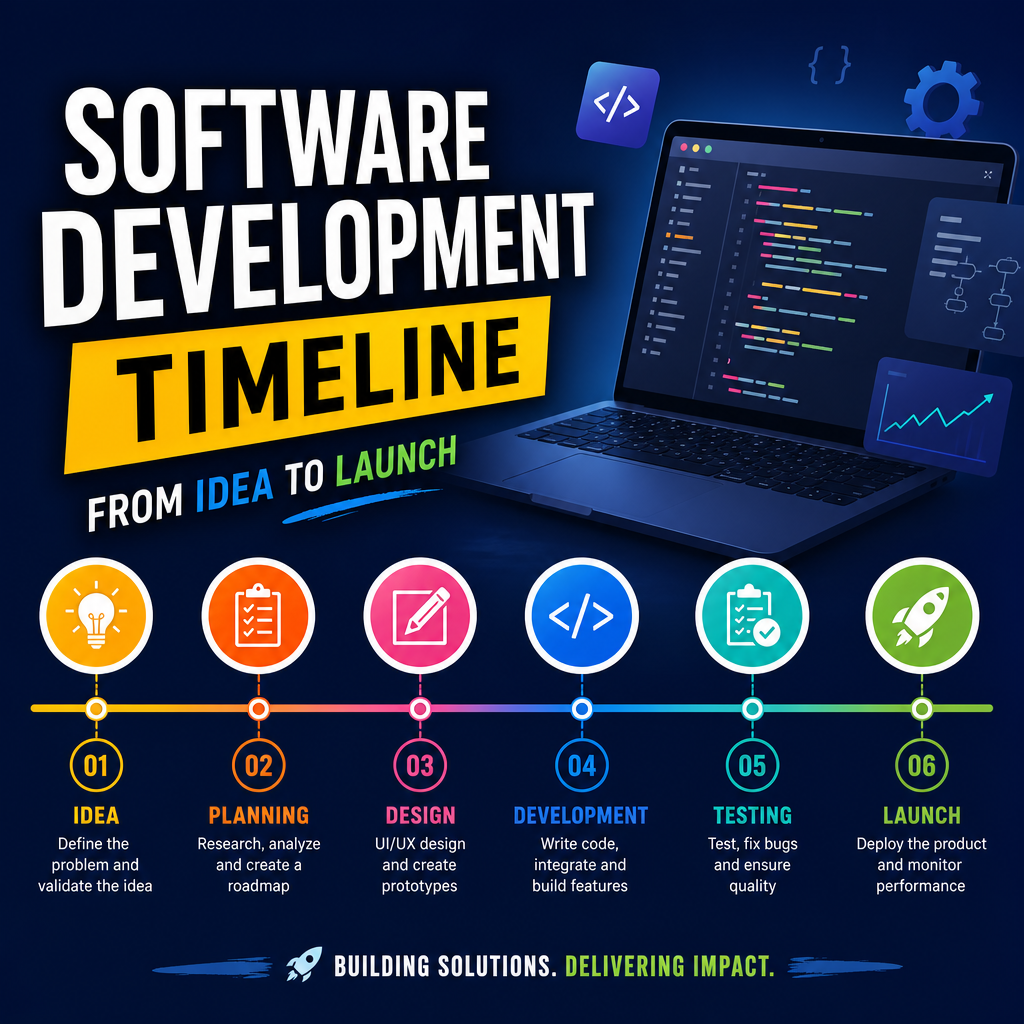
Custom software development can take anywhere from a few weeks to more than a year, depending on the project's scope,...
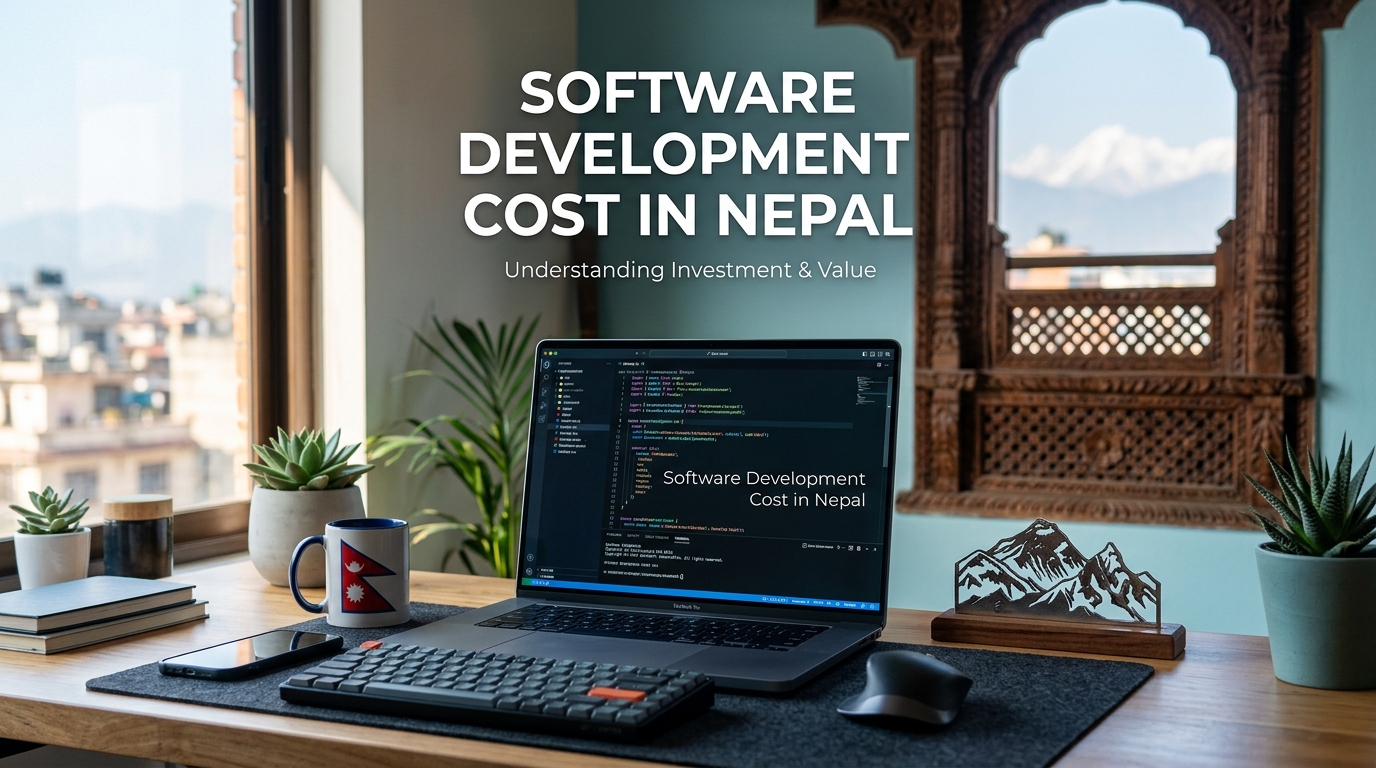
If you're planning to build custom software in Nepal, one question comes before all the others: what will it cost?...
